
- Home
- About Us
- Carpet Cleaning
- Upholstery Cleaning
- Other Services
- Blog
- Contact
Need Help? Talk to an experts
- Home
- About Us
- Carpet Cleaning
- Upholstery Cleaning
- Other Services
- Blog
- Contact
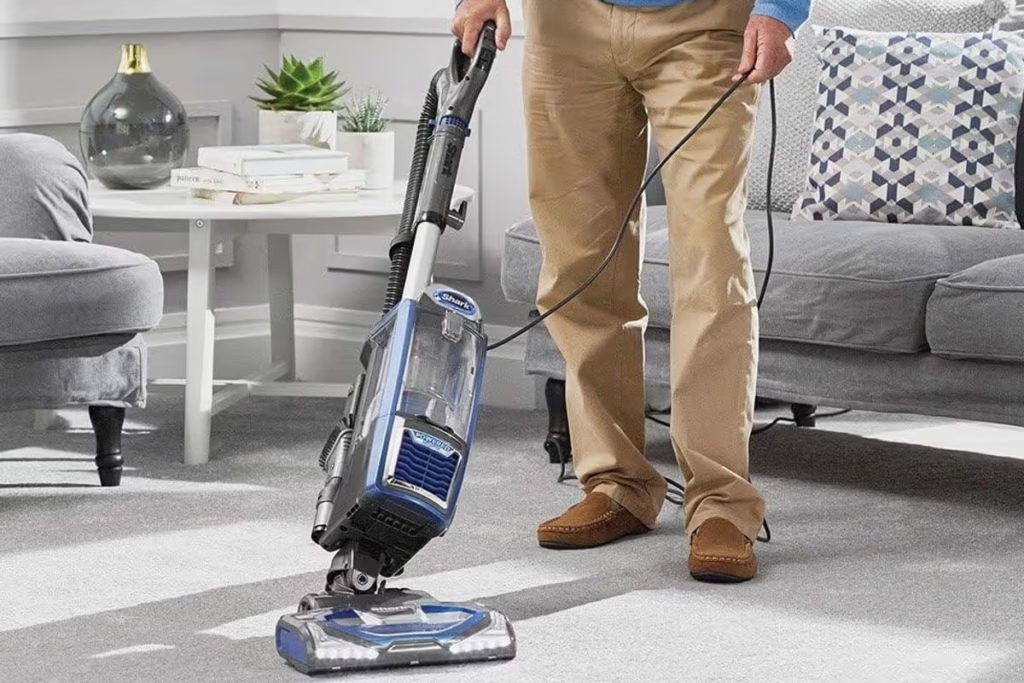
Everyone – or almost everyone – appreciates cleanliness. A clean home means better wellbeing, greater comfort and more enjoyment in everyday life. One of the most fundamental elements of keeping a home clean is regular vacuuming.
Although often treated as a routine household task, vacuuming plays a crucial role in removing dust, sand, allergens and everyday dirt that we bring into our homes on a daily basis. These particles settle deep within carpet fibres and along hard flooring surfaces, gradually affecting both appearance and hygiene.
Why vacuuming is so important
Proper vacuuming plays a far more important role than many people realise. While a carpet may appear clean after vacuuming, this does not always mean that dirt has been fully removed. In many cases, significant amounts of sand and fine grit remain trapped deep within the carpet pile, invisible to the naked eye. Standard household vacuuming often removes only surface debris, leaving heavier particles embedded below
How sand slowly kills your carpet
These microscopic particles of sand act like sandpaper within the carpet. As the carpet is walked on, the grit rubs against the fibres, causing tiny scratches on their surface. Over time, these damaged fibres absorb dirt more easily, allowing soil to cling to them more firmly. As a result, the fibres become weaker, lose their resilience and elasticity, and are more prone to flattening, matting or twisting.This is not an immediate process. Carpet damage develops gradually as a result of everyday habits — vacuuming too infrequently, using poor vacuuming technique, or relying on the wrong type of vacuum cleaner, particularly one that lacks sufficient suction or agitation to remove deeply embedded particles. In neglected carpets, the amount of dry soil present can be surprisingly high, even when the surface looks relatively clean at first glance. For this reason, the removal of dry soil is always the first and most critical stage of effective carpet cleaning. Dry particles are much easier to remove before any moisture or cleaning solutions are applied. If left in place, they can bind with liquids, spread further through the carpet and significantly reduce the effectiveness of the cleaning process.
During professional cleaning, thorough dry soil removal is carried out as the initial step before any other procedures. This allows loose dirt, sand, hair and fibres to be extracted first, ensuring that cleaning agents do not cause debris to adhere to the carpet. Proper vacuuming prepares the surface correctly, protects the carpet fibres and allows all subsequent cleaning stages to deliver better, longer-lasting results.
First – the right vacuum cleaner
When choosing a vacuum cleaner, it is important to understand that different types of machines offer very different levels of cleaning performance. Convenience does not always equal effectiveness, especially when it comes to removing deeply embedded dry soil. Cordless vacuums are popular due to their convenience, lightweight design and ease of use. They work well for quick, regular surface cleaning and are ideal for small areas or daily maintenance. However, almost all cordless models (yes, inc. Dyson) have limited suction power and shorter run times, which can reduce their ability to remove fine sand and grit trapped deep within carpet fibres. As a result, they are often best suited as a supplementary tool rather than a primary vacuum for thorough carpet maintenance. Traditional corded vacuum cleaners equipped with a powered brush or beater bar remain the most effective option for carpets. The combination of continuous strong suction and mechanical agitation allows deeply embedded dirt and abrasive particles to be loosened and extracted from the lower layers of the carpet pile. This type of vacuum is particularly important in high-traffic areas and households with pets, where dry soil accumulates more quickly. And the last one: robotic vacuums, which offer hands-free convenience and can help maintain surface cleanliness between deeper cleaning sessions. They are effective at collecting loose dust and visible debris on hard floors and low-pile carpets. However, due to their limited suction power and lack of strong agitation, they are generally unable to remove compacted dry soil from deeper carpet layers. For this reason, robotic vacuums should be viewed as a maintenance aid rather than a replacement for proper vacuuming.
When it comes to Carpet Vacuuming, there is only one winner
In any household where the majority of floors are carpeted, a corded upright vacuum cleaner with a powered brush is essential. This type of vacuum consistently delivers the best results on carpets, as it combines strong, uninterrupted suction with effective mechanical agitation.
An upright, corded vacuum with a power brush is also a very good solution for homes with a mix of carpeted areas and hard flooring. While it is typically heavier and slightly less manoeuvrable than cordless or compact models, it remains highly effective across different surfaces. On carpets in particular, it simply does the best job.
When choosing a vacuum cleaner, it is worth opting for a reputable brand and looking beyond what is written on the box. Specifications and marketing claims do not always reflect real-world performance. Instead, it is important to consider the actual motor power, whether the power brush is driven by a separate electric motor, and the quality of the brush components that agitate the carpet fibres.
Practical design also matters. Ease of emptying the dust container, cleaning or replacing filters, and accessing areas where hair, fibres or debris may become trapped all play a significant role in maintaining consistent performance over time.
How to Vacuum Carpets Properly (And How Often You Really Should)
Even the best vacuum cleaner will not deliver proper results if it is used incorrectly or too infrequently. Vacuuming technique and frequency are just as important as the machine itself when it comes to effective dry soil removal.
- Moving the vacuum too quickly over the carpet is one of the most common mistakes. Dirt and sand require time, agitation and repeated passes to be lifted from deep within the carpet pile. Slow, deliberate movements with overlapping strokes allow the powered brush and suction to work together effectively.
- Vacuuming in one direction alone is often not enough. Cross-vacuuming — changing direction and vacuuming at right angles — helps release dirt trapped deeper within the carpet structure. This technique loosens compacted soil that may remain untouched when vacuuming in straight, repetitive lines, improving overall dirt extraction and reducing long-term fibre damage. Areas with higher foot traffic should receive extra attention, as this is where dry soil accumulates most heavily.
- Frequency also plays a critical role. Carpets that are vacuumed too infrequently allow dirt to settle deeper into the fibres, making it harder to remove and increasing long-term wear. In most households, carpeted areas should be vacuumed at least two to three times per week. Homes with pets, children or heavy foot traffic may require daily vacuuming in key areas to prevent excessive build-up of dry soil.
- Thorough vacuuming is not only about how often it is done, but also about reaching every area. Dust does not choose where it settles and tends to accumulate in less accessible places such as edges, corners, under furniture and along skirting boards. Occasionally moving furniture and vacuuming these overlooked areas is essential for truly effective soil removal.
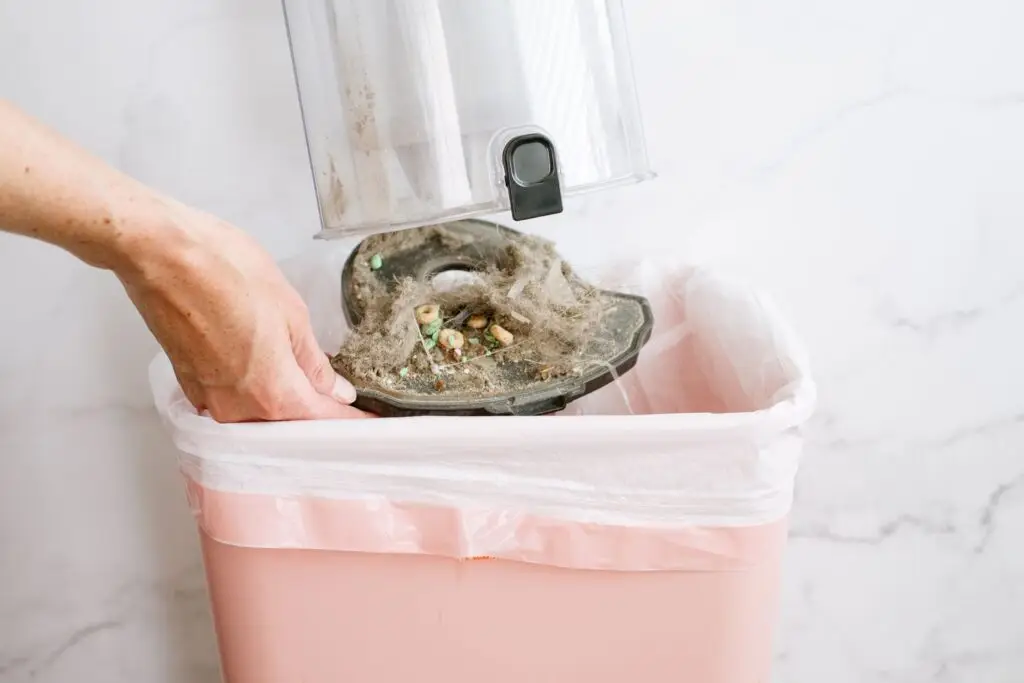
- Once vacuuming is complete, it is good practice to check the vacuum cleaner itself. Hair and fibres trapped around the brush should be removed, filters should be inspected and cleaned if necessary, and the dust container or waste bag should be emptied. A vacuum cleaner with a dust container filled even halfway can lose up to 20–30% of its cleaning efficiency, significantly reducing performance. Keeping the machine clean and well maintained ensures consistent suction and better results over time.
Regular, correct vacuuming reduces fibre damage, maintains appearance and significantly extends the life of carpets. Combined with the right equipment and proper maintenance, it forms the foundation of effective floor care and ensures that professional cleaning, when needed, delivers the best possible results.
What we see in homes every day – our observations as professionals
Visiting clients’ homes on a daily basis gives us a clear and realistic picture of how carpets are cared for in everyday life. One of the most common issues we encounter is not the carpet itself, but the way it is maintained. Many homes struggle with proper carpet care, often without realising it.
The most frequent problems usually revolve around using the wrong type of vacuum cleaner, poorly maintained equipment, incorrect vacuuming technique, lack of thoroughness or simply inconsistent vacuuming habits. In many cases, it is not neglect by choice, but a lack of awareness of how important regular and correct vacuuming truly is.
This article is a collection of practical advice based on what we see every day in real homes. Proper vacuuming is not only the key to reducing the cost and frequency of professional cleaning, but it is also the only effective way to keep carpets in excellent condition for longer.
From the homeowner’s side, maintaining a carpet means committing to regular, thorough and correct vacuuming. When this foundation is in place, professional cleaning can be carried out less frequently, yet remain far more effective. In this way, professional services support good maintenance habits — rather than compensate for their absence.
If this topic has interested you and you have any additional questions about vacuuming, equipment or carpet care, feel free to get in touch with us at:
📩 office@trustcleaner.co.uk
We promise — no question will be left unanswered.
FAQ
Why is vacuuming so important if my carpet already looks clean?
A carpet can appear clean on the surface while still containing large amounts of sand and fine grit deep within the pile. Standard household vacuuming often removes only visible debris, leaving heavier particles trapped below. These hidden particles cause long-term damage to carpet fibres and significantly reduce the effectiveness of professional cleaning if not removed properly.
How does sand damage carpets over time?
Fine sand particles act like sandpaper inside the carpet. As the carpet is walked on, grit rubs against the fibres, creating microscopic scratches. Over time, damaged fibres absorb dirt more easily, lose their elasticity and become prone to flattening, matting or twisting. This process happens gradually but leads to faster wear and a permanently dull appearance.
Why is dry soil removal the first step in professional carpet cleaning?
Dry soil is much easier to remove before any moisture or cleaning solutions are applied. If left in the carpet, sand and grit can bind with liquids, spread further through the fibres and reduce cleaning effectiveness. That is why professional cleaning always begins with thorough dry soil removal before any other treatments are carried out.
Are cordless vacuum cleaners effective for carpets?
Cordless vacuum cleaners are convenient and suitable for quick surface cleaning or daily maintenance. However, most cordless models — including premium brands — have limited suction power and reduced agitation, which makes them less effective at removing deeply embedded sand and grit. They work best as a supplementary tool rather than a primary vacuum for carpeted homes.
Which type of vacuum cleaner works best for carpets?
For homes with predominantly carpeted floors, a corded upright vacuum cleaner with a powered brush is the most effective option. Continuous strong suction combined with mechanical agitation allows deeply embedded dirt to be loosened and extracted from the lower layers of the carpet pile, delivering consistently better results.
Can upright corded vacuums be used on hard floors?
Yes. Although upright corded vacuums are heavier and slightly less manoeuvrable, they perform well in homes with a mix of carpets and hard flooring. While they may not be as convenient as cordless models, they remain highly effective across different surfaces and deliver the best results on carpets.
How often should carpets be vacuumed?
In most households, carpeted areas should be vacuumed at least two to three times per week. Homes with pets, children or heavy foot traffic may require daily vacuuming in key areas to prevent excessive build-up of dry soil and reduce fibre wear.
What is the correct vacuuming technique for carpets?
Vacuuming should be done slowly, with overlapping strokes to allow proper agitation and suction. Cross-vacuuming — changing direction and vacuuming at right angles — is particularly effective, as it helps release dirt trapped deeper within the carpet structure that straight-line vacuuming may miss.
Is thorough vacuuming more important than frequency?
Both matter. Frequent vacuuming helps prevent dirt from settling deep into fibres, but thoroughness is equally important. Dust and grit tend to accumulate in corners, along edges, under furniture and in hard-to-reach areas. Occasionally moving furniture and vacuuming these zones is essential for effective soil removal.
Does the condition of the vacuum cleaner affect performance?
Absolutely. Hair and fibres trapped around the brush, clogged filters or a full dust container all reduce effectiveness. A dust container filled even halfway can reduce vacuuming efficiency by 20–30%. Regular maintenance ensures consistent suction and better long-term results.
Can proper vacuuming reduce the need for professional cleaning?
Yes. Regular, correct vacuuming significantly extends the life of carpets and keeps them in better condition for longer. When carpets are well maintained, professional cleaning can be carried out less frequently while remaining far more effective. Professional services work best when they support good maintenance habits, not compensate for their absence.
Facebook
Twitter
LinkedIn
