
- Home
- About Us
- Carpet Cleaning
- Upholstery Cleaning
- Other Services
- Blog
- Contact
Need Help? Talk to an experts
- Home
- About Us
- Carpet Cleaning
- Upholstery Cleaning
- Other Services
- Blog
- Contact
Professional carpet cleaning is one of the most effective ways to refresh your home, remove deep-seated dirt and improve indoor hygiene. However, many homeowners are surprised by one aspect of the process: carpets do not dry instantly. Slight dampness after cleaning is completely normal, but how the carpet dries afterwards plays a crucial role in the final result.
Drying is not just a waiting period. It is an essential stage that affects how your carpet looks, smells and performs in the weeks and months that follow. Understanding what to expect, how long drying usually takes and how to support the process will help you avoid common problems and get the best possible outcome from professional cleaning.
Why proper carpet drying matters
When carpets are cleaned using professional methods, water is used to flush out dirt, residues and allergens trapped deep within the fibres. High-quality machines remove most of this moisture immediately, but some dampness will always remain within the carpet structure.
If this moisture is not allowed to evaporate properly, it can cause several issues. The most common problem is an unpleasant damp or musty smell, which may develop even if the carpet initially looks clean. In more serious cases, excessive moisture can encourage the growth of mould or bacteria, particularly in poorly ventilated rooms.
Improper drying can also affect the carpet itself. Moist fibres attract dirt more quickly, meaning the carpet may appear dirty again much sooner than expected. In extreme situations, prolonged dampness can affect the backing or adhesive beneath the carpet, potentially leading to rippling or damage.
For these reasons, drying should always be treated as an integral part of the carpet cleaning process, not an afterthought.
How long does it take for carpets to dry after cleaning?
In most residential properties, carpets typically take between 2 and 12 hours to dry fully after professional cleaning. This is a general guideline rather than a fixed rule, as drying time can vary significantly depending on several factors.
Thin, low-pile carpets in well-ventilated rooms often dry at the faster end of this range. Thicker carpets, high-pile styles or carpets fitted over underlay may take longer, especially if ventilation is limited.
It is also important to understand that carpets may feel dry on the surface before they are completely dry throughout. Moisture can remain deep within the fibres and backing even when the top layer feels dry to the touch. Walking on the carpet too soon can slow down evaporation and reintroduce dirt into the damp fibres.
Allowing sufficient drying time is therefore essential for achieving a long-lasting, hygienic result.
What affects carpet drying time?
Several factors influence how quickly a carpet dries after cleaning. Understanding these can help set realistic expectations and explain why drying times differ from one property to another.
Carpet type and thickness
Carpet fibres vary widely. Synthetic fibres such as polypropylene and nylon generally dry faster than natural fibres like wool. Thicker carpets and dense piles naturally retain more moisture and take longer to dry.
Cleaning method used
Professional cleaning methods are designed to minimise excess water, but some approaches use slightly more moisture than others. The skill of the technician and the quality of the equipment also play a significant role in how much water is left behind.
Temperature in the room
Warm air helps moisture evaporate more efficiently. Cooler rooms, particularly in winter, can slow the drying process unless heating is used sensibly.
Humidity levels
High humidity makes it harder for moisture to evaporate. On damp days or in properties with limited airflow, carpets may take longer to dry.
Ventilation and airflow
Good airflow is one of the most important factors. Stagnant air traps moisture, while gentle air movement speeds up evaporation significantly.
Carpet location
Carpets in hallways, staircases or shaded rooms may dry more slowly than those in open, well-lit spaces.
Some of these factors are also influenced by outdoor weather conditions and seasonal changes. For this reason, whole-house carpet cleaning is often best carried out during the summer months.
Warmer temperatures, lower indoor humidity and improved ventilation all contribute to faster and more efficient drying. In summer, windows can be opened fully without concern, allowing fresh air to circulate freely throughout the property. This natural airflow helps moisture evaporate more quickly from the carpet fibres and reduces the overall drying time.
While professional carpet cleaning can be safely carried out all year round, favourable summer conditions often make the drying process smoother and more predictable, particularly when cleaning carpets across multiple rooms.
How to help carpets dry faster after cleaning
While time plays a role, there are several simple steps homeowners can take to support proper drying and reduce the risk of problems.
- Good ventilation is key. Opening windows where possible allows moist air to escape and fresh air to circulate. Even a small amount of airflow can make a noticeable difference.
- Maintaining a comfortable indoor temperature also helps. During colder months, keeping the heating on at a steady level supports evaporation without overheating the carpet fibres.
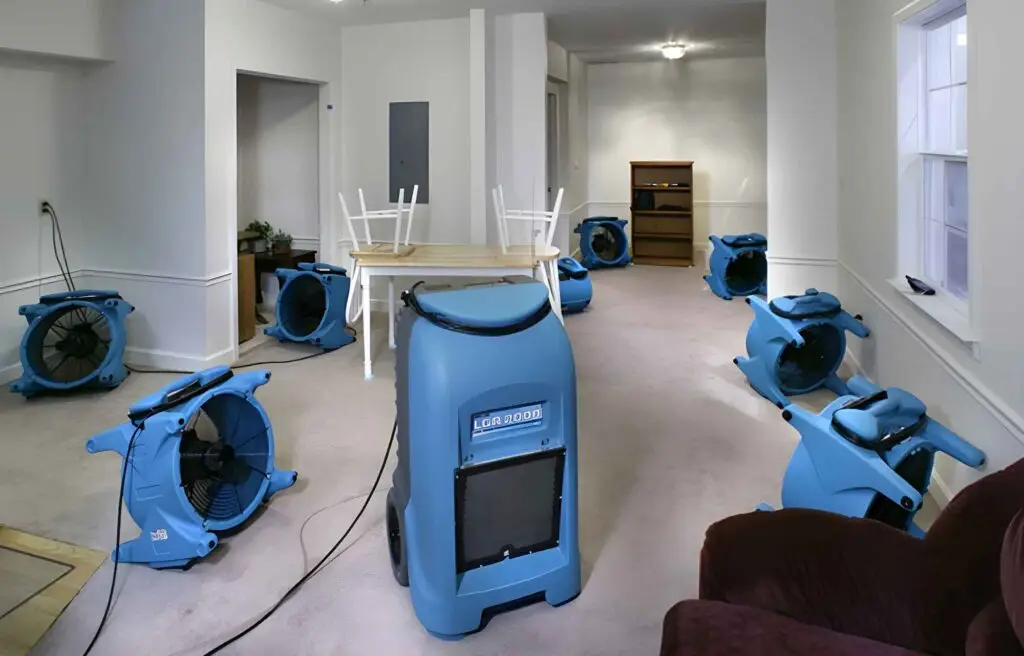
- Using a fan to gently circulate air across the carpet surface can be very effective. The goal is airflow rather than heat. Fans should be positioned to move air across the room rather than blowing directly onto one small area.
- If available, a dehumidifier can significantly reduce drying time by removing excess moisture from the air. This is particularly helpful in properties with limited ventilation or higher humidity levels.
- It is also advisable to avoid walking on the carpet until it is fully dry. Foot traffic compresses damp fibres and can slow down the drying process. Of course it’s not a strict rule:)
What not to do during carpet drying
In an attempt to speed things up, some homeowners unintentionally create problems.
- One common mistake is closing all windows and doors to “keep the heat in”. While warmth helps, lack of airflow traps moisture and slows drying.
- Using very hot, direct heat sources such as space heaters or hair dryers is also not recommended. Intense, localised heat can damage fibres, backing or adhesives. Too risky and energy consuming.
- Covering damp carpets with rugs, furniture or plastic sheets should be avoided. This traps moisture underneath and increases the risk of odours or mould.
Common problems caused by poor drying
When carpets are not dried properly, the effects may not be immediate. Often, issues appear days later, leaving homeowners confused about the cause.
A persistent damp smell is one of the first warning signs. This usually indicates trapped moisture rather than a cleaning issue. Damp smell is caused by bacteria and only tackling the source of the problem is the right solutiuon. (drying + antibacterial treatment + recleaning + speed-drying) Re-cleaning on its own won’t fix the problem!
Carpets that resoil quickly after cleaning may also point to inadequate drying. Damp fibres act like magnets for dust and dirt, undoing the benefits of professional cleaning. If you are decorating your house clean carpets when you finish all dirty work.
In rare cases, prolonged moisture can affect the carpet backing or underlay. This may result in slight rippling or changes in texture, particularly in areas with poor ventilation.
Proper drying dramatically reduces the likelihood of these issues and ensures the carpet stays cleaner for longer.
Professional approach to carpet drying
We understand that effective drying starts during the cleaning process itself. Using high-quality extraction equipment removes as much moisture as possible before drying even begins.
We also assess the environment, taking into account room size, ventilation and carpet type. Clients are always given clear after-care advice tailored to their specific situation.
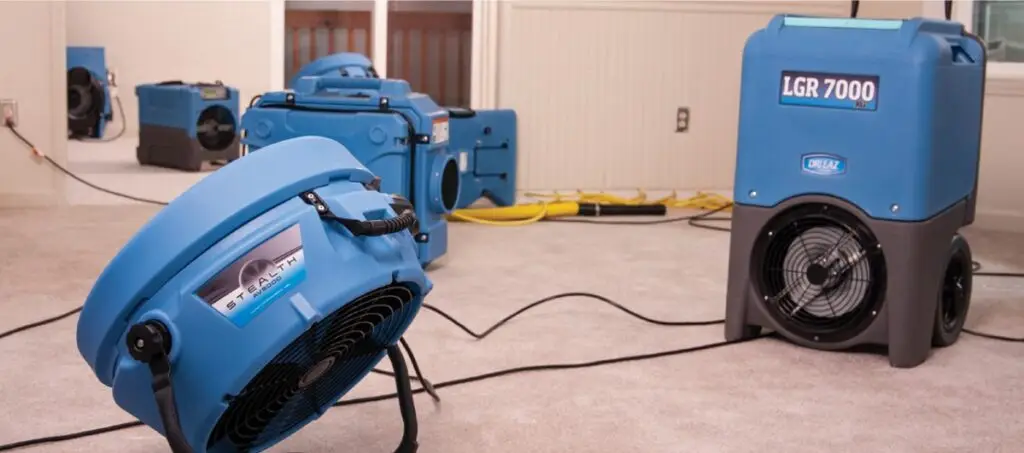
Some professional services also use air movers or commercial-grade equipment when necessary, particularly for thicker carpets or high-traffic areas.
This combination of correct cleaning techniques, moisture control and practical guidance is what separates professional results from short-lived ones.
FAQ
How long does a carpet take to dry after professional cleaning?
In most homes, carpets dry within 6 to 12 hours after professional cleaning. Drying time can vary depending on carpet thickness, fibre type, indoor temperature, humidity levels and ventilation. Thicker carpets with dense underlay may take longer, especially in rooms with limited airflow. It is also worth noting that a carpet may feel dry on the surface while still retaining moisture deeper within the fibres.
Why does my carpet feel dry on the surface but still damp underneath?
The top layer of carpet fibres dries faster than the deeper layers and the underlay beneath. Moisture can remain trapped below the surface even when the carpet feels dry to the touch. This is why proper airflow and sufficient drying time are essential to ensure the carpet dries evenly and safely.
What factors have the biggest impact on carpet drying time?
Drying time is mainly affected by carpet thickness and fibre type, the amount of moisture used during cleaning, indoor temperature, humidity levels, ventilation and airflow within the room. Seasonal conditions can also influence drying, as higher humidity and cooler temperatures slow down evaporation.
Can I walk on the carpet while it is drying?
It is best to avoid walking on the carpet until it is completely dry. Walking on damp fibres can slow down the drying process, flatten the pile and reintroduce dirt. If light foot traffic is unavoidable, wear clean footwear and keep movement to a minimum until the carpet has fully dried.
How can I speed up carpet drying after cleaning?
To help carpets dry faster, increase ventilation by opening windows where possible, maintain a comfortable indoor temperature and improve airflow using fans. A dehumidifier can also be very effective, particularly in humid conditions or rooms with limited ventilation. Avoid covering the carpet or placing furniture back too soon.
Is it safe to use heaters or hot air blowers to dry carpets faster?
Using intense or direct heat sources is not recommended. Localised high heat can damage carpet fibres, backing or adhesives and may cause uneven drying. Gentle warmth combined with good airflow is far more effective and safer for the carpet.
Why does my carpet smell damp after cleaning?
A damp or musty smell usually means moisture is trapped within the carpet fibres, backing or underlay. This is more likely to happen in rooms with poor ventilation or high humidity. Improving airflow and reducing humidity will normally allow the carpet to dry properly and eliminate the odour.
What should I do if my carpet is still damp after 24 hours?
If the carpet remains damp after 24 hours, increase ventilation, use fans to improve airflow and consider using a dehumidifier. Keep heating at a steady, moderate level. If dampness persists despite these steps, contact your carpet cleaning provider for further advice.
Do professional carpet cleaners take steps to reduce drying time?
Yes. Professional carpet cleaners aim to minimise drying time by using high-powered extraction equipment and performing multiple additional dry passes to remove as much moisture as possible. For specialist treatments such as stain removal or urine neutralisation, additional tools may be used to extract moisture from deeper layers of the carpet and underlay.
Can drying conditions affect how long my carpet stays clean?
Absolutely. Proper drying helps prevent rapid re-soiling, as damp fibres attract dirt more easily. A fully dried carpet is less likely to develop odours and will stay cleaner, fresher and in better condition for longer after professional cleaning.
Facebook
Twitter
LinkedIn